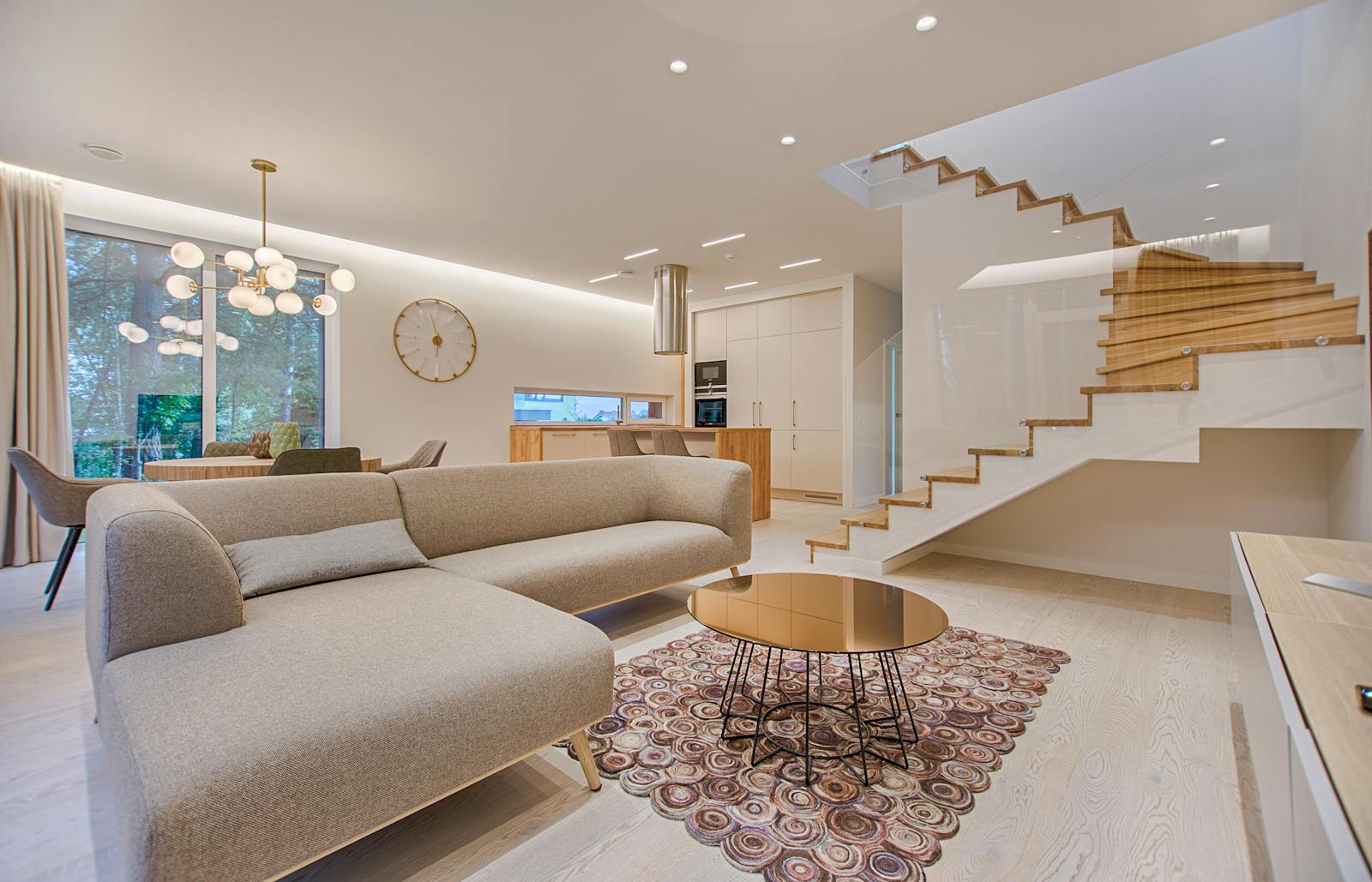
Public spaces are the living rooms of our cities. When designed with geometric precision, they create a sense of order and calm that invites people to gather, reflect, and connect.
The Geometry of Harmony
Urban spaces designed with geometric principles create a sense of order and calm. The repetition of forms, the play of light and shadow, and the careful consideration of scale all contribute to the experience of a space.
Key Principles
- Rhythm - Repetition creates visual harmony
- Proportion - Scale relative to human movement
- Materiality - Textures that invite touch
Case Study: Urban Park Design
Consider the design of modern urban parks. The use of circular pathways and rectangular reflecting pools creates a dialogue between the organic and the structured, offering visitors a sense of both freedom and containment.
UrbanismGeometry