In an era defined by constant sensory overflow, the architecture of silence emerges not merely as a stylistic choice, but as a fundamental necessity for human equilibrium.
The Philosophy of Quiet
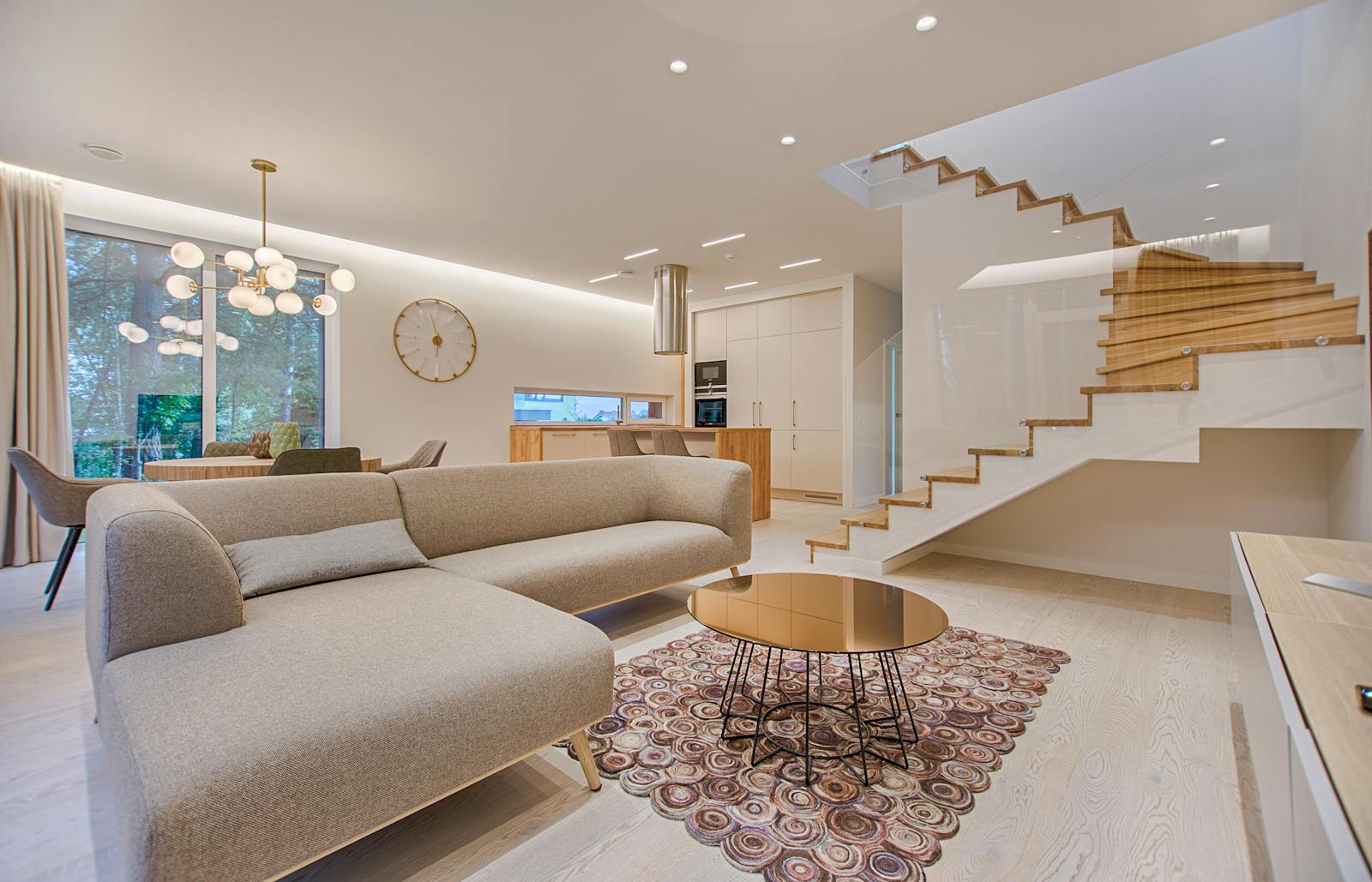
True minimalism in architecture isn’t about the absence of objects; it’s about the presence of space. When we strip away the ornamental excesses, we allow the intrinsic properties of light, volume, and material to communicate.
“Space is only space when it is activated by light. Silence is only felt when it is framed by structure.” — Elias Vance, Lead Designer
The Tectonics of Quiet
Consider the monastic cells of Le Corbusier or the light-wells of Tadao Ando. These spaces do not demand attention; they provide a vessel for it. The choice of material—rough stone, smooth steel, matte plaster—dictates the acoustic and visual temperature of the environment.
Silence, in this context, is a physical material that MicroGuard must learn to mold.